A life shaped by sport
From soccer to Taekwondo to triathlon, movement has always shaped who I am.
Just a Kid
Age 4–10
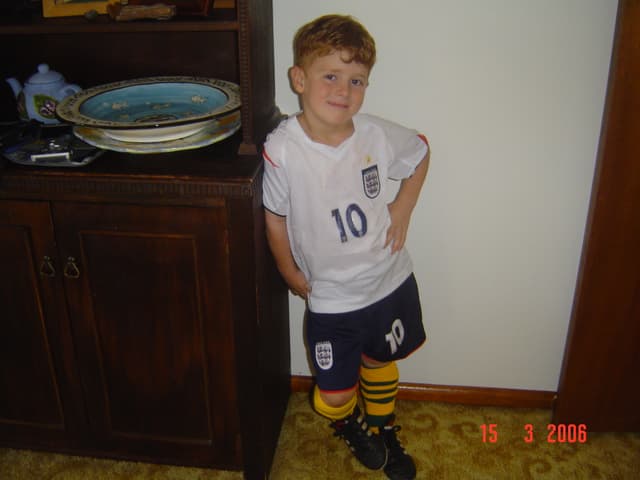
Soccer on weekends, lunchtimes running around school, Pokémon until bedtime. Being active wasn't a choice, it was just what the week looked like.
Growing up I was always doing something: soccer a couple of times a week, tennis on and off, long lunchtimes running around at school. I also had a solid screen habit going: Pokémon, RuneScape, whatever was on. But being active wasn't something I was choosing or thinking about. It was just what the environments around me made normal. Weekend sport, school lunches outside, repeat. Looking back, I was also eating well without knowing it. My parents put good food on the table every night, and I had absolutely no idea how lucky that was.
Going Soft
Age 10–12
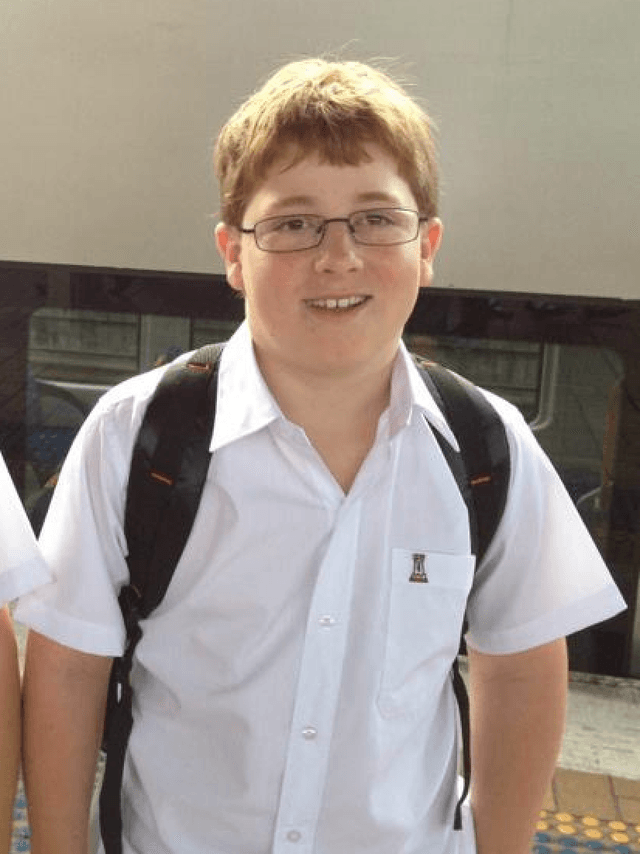
A new school, fewer lunches outside, and a growing addiction to screens.
Moving to a more academic school changed things quickly. Lunchtimes that used to be spent running around became card games and video games inside. As I gained more independence my diet followed. Soft drink refills at Maccas and Subway became a regular habit. Looking back, I was grumpy the majority of the time, and I genuinely believe a big part of that came down to poor sleep, junk food, and no exercise. I just didn't have the self-awareness to see it yet.
The Turning Point
Age 12–13
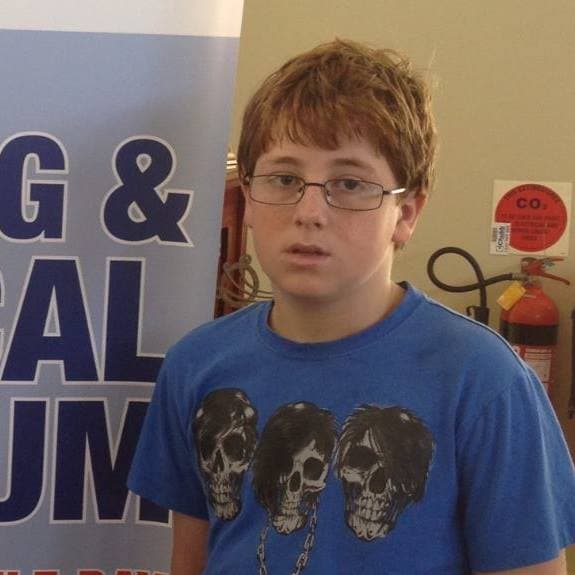
My mum had seen enough. One sport. Non-negotiable.
At 12, my mum was done with my bad attitude and told me I had to get back into at least one sport. A friend was doing Taekwondo and somehow I ended up giving it a try. At first it felt like a chore. But after a few months something shifted. The discipline started to feel good, and I started to enjoy the feeling of a hard session. I'm genuinely grateful she pushed me. I'm not sure where I'd be without that nudge.
Finding the Fire
Age 14–17
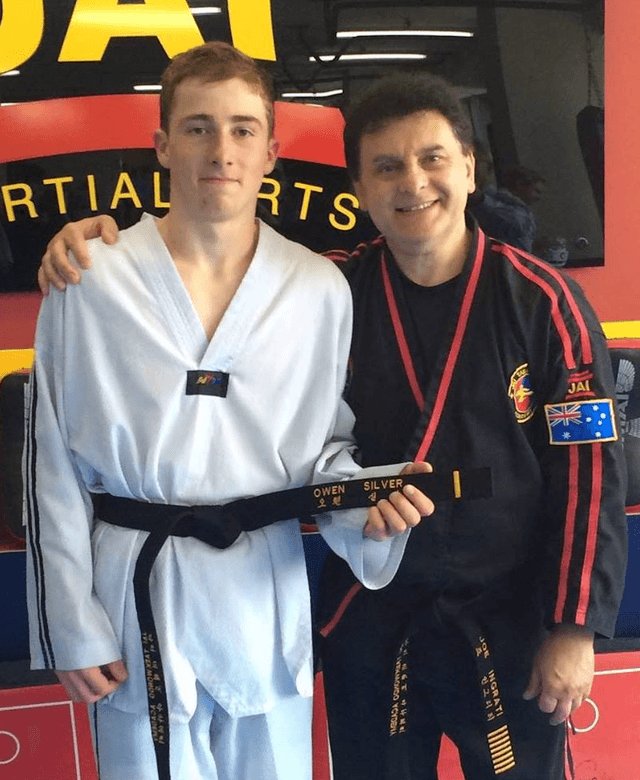
A crush, a trampoline, and the beginning of something serious.
At 14 I had a crush on a girl and decided I needed to get abs. I cut out soft drinks, started doing bodyweight exercises between Taekwondo classes, and asked my parents for a trampoline to learn flips. I also chose gym as a school sport and started watching YouTubers like AthleanX and Omar Isuf, picking up basic anatomy knowledge along the way. The fitter I got, the more I enjoyed it. Every week I could do something I couldn't do the week before. By 17 I had built a physique I was proud of, could do muscle ups and backflips, and friends had started asking me for advice. I also noticed something interesting: the fitness grind scratched exactly the same itch as levelling up in a video game. That made sense to my brain. It also stuck around 14 that I saw an ad for an Ironman and thought "I'd like to do one of those one day", without taking a single step towards it.
Exploring
Age 18–21
University, gymnastics, and a pandemic that accidentally made me a triathlete.
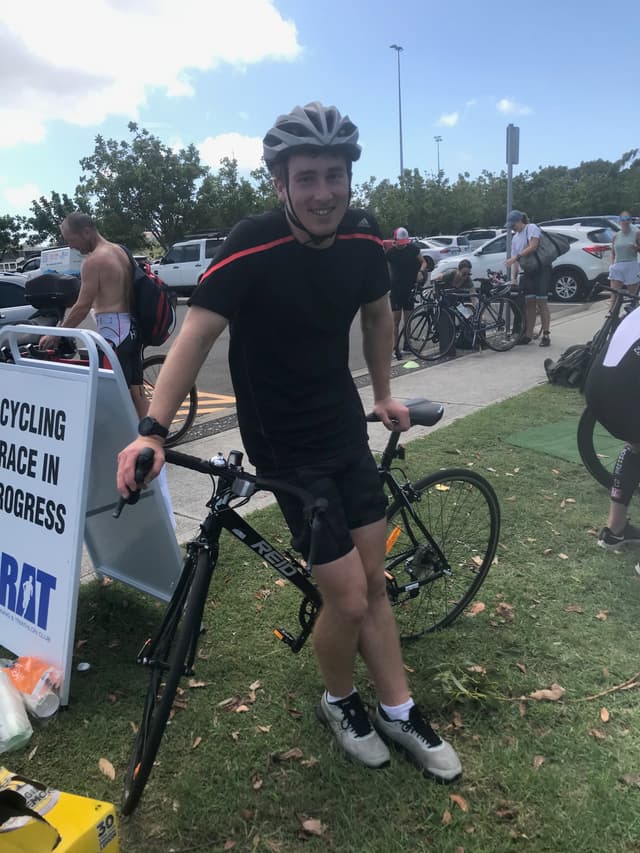
Studying computer science at university, I found a new training home in casual adult gymnastics with one of my best mates from Taekwondo. It was a great counterbalance to martial arts. Where Taekwondo had given me grit and a no-pain-no-gain attitude, gymnastics taught me body awareness and technique. Then COVID hit. Gyms closed, and I started running around the neighbourhood, swimming at the local beach, and riding my bike at the park. One day I realised I was basically already doing a triathlon. I signed up to a local club the same week.
Going Deep
Age 21–24
From first Ironman to the World Championships, and the burnout that followed.
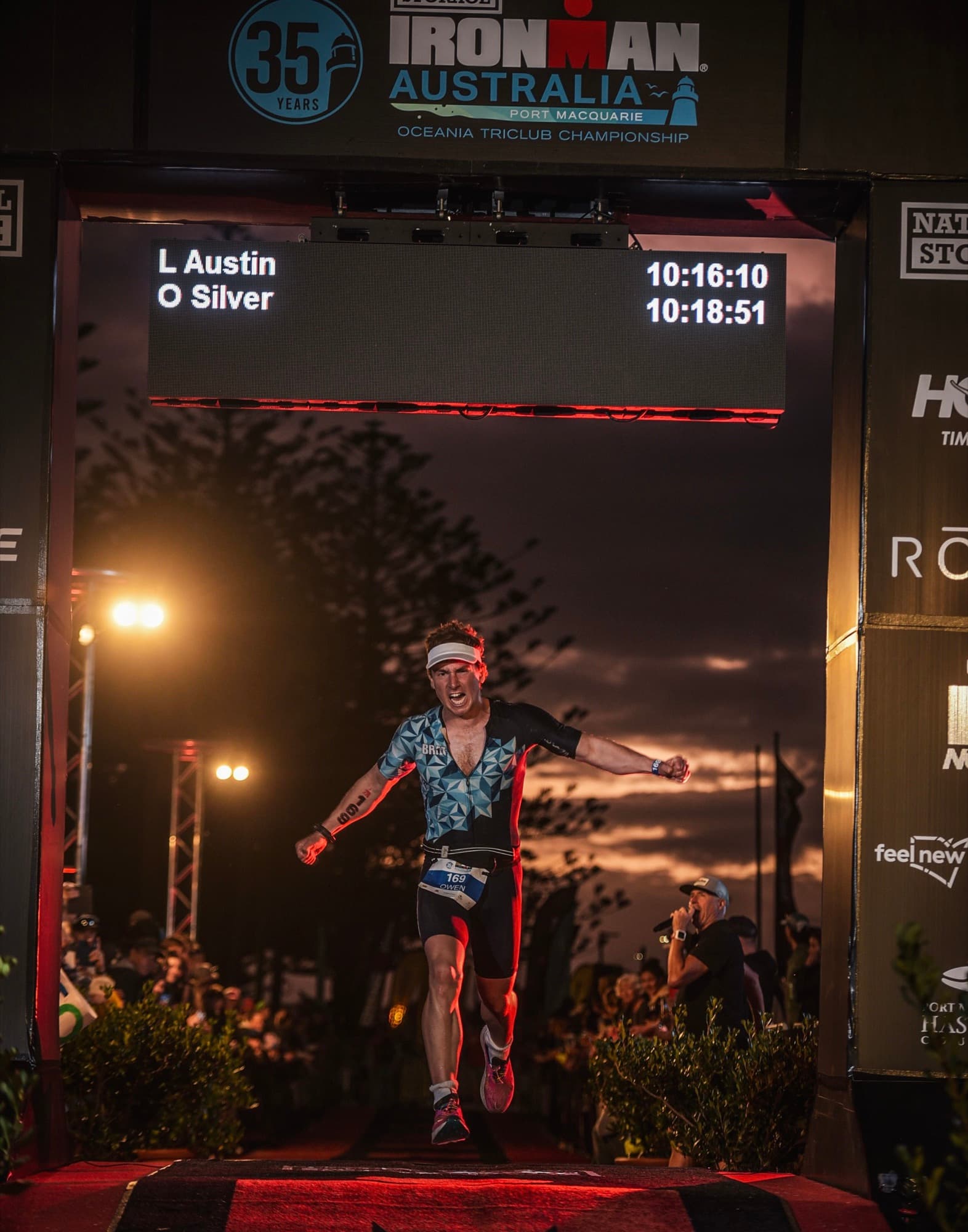
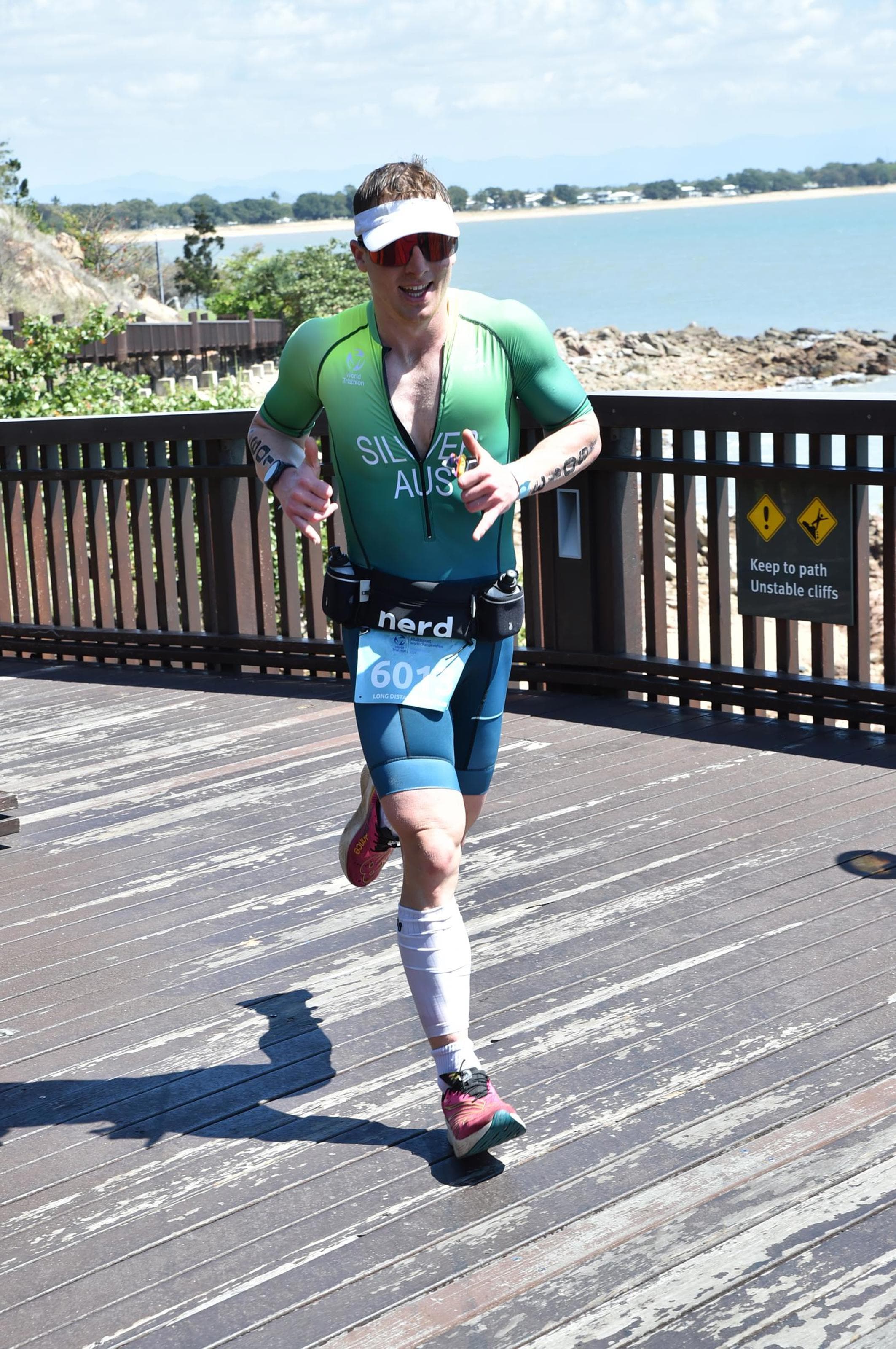
This is where I learned the most about sport, and also about myself. I completed my first Ironman at 21 and came 3rd in my age group. Surrounded by an amazing group of people who'd trained and raced alongside me, it's still one of my favourite days in sport. Three years of obsessive training later, I came 4th at the Triathlon World Championships, and that result, as good as it was, is probably what finally broke me. I was all in: podcasts, books, scientific studies, trying to be the best I could be. I went from thinking 10km a week of running was a lot to understanding why some athletes run 100km+. I learned how to periodise training, how to fuel for hard efforts, and what it actually took to compete at a high level. But I also put enormous pressure on myself. Training full time while working full time meant sacrificing a large chunk of my social life, and slowly I fell out of love with the sport. I realised I loved movement itself, not one discipline. I still wanted to lift heavy, try a random pole dancing class, or go for a surf. I didn't want to be confined.
First Ironman
Silver Performance Training
Age 25
Hybrid athlete. Coach. Still figuring it out, and loving it.
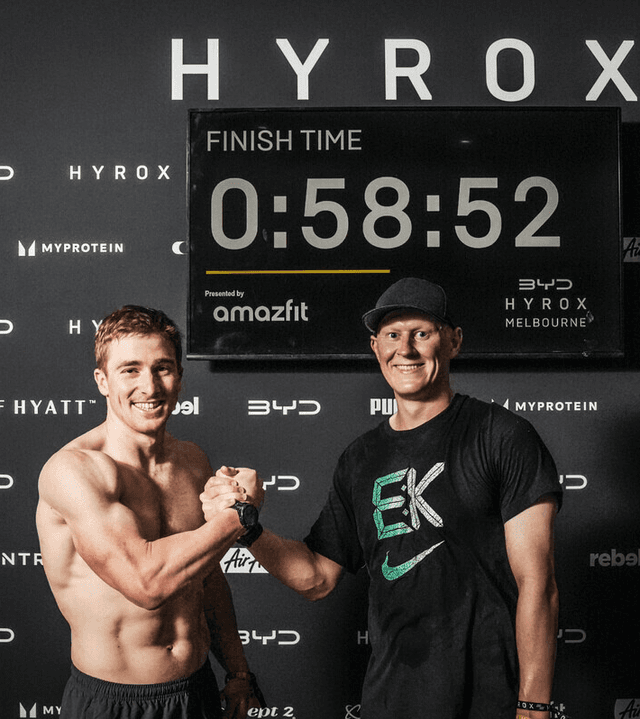
At 25 I discovered Hyrox, which suited everything I had built across years of mixed training. I've also started Brazilian Jiu Jitsu and I'm loving yet another completely different sport. But more than any single discipline, I valued what this period represented: the freedom to train across multiple modalities without sacrificing one for another. Around the same time I decided to formalise everything I had learned and create Silver Performance Training. The perspective I bring isn't just technical, it's lived. I know what it's like to be the sedentary, grumpy kid eating Maccas every day. I know what it's like to go all-in and burn out. And I know what it's like to find a sustainable relationship with movement that makes every other part of life better. That's what I want to help others find.
Goals
Current targets
Endurance
UTA 100km Run
Stepping up from two UTA50 finishes to the full 100km in the Blue Mountains.
Hybrid
2:50 Marathon and 110kg × 10 Bench Press
Proving speed and strength can be built at the same time without one costing the other.
Mobility
Middle splits
Building the hip mobility that years of running and lifting never asked for.